


How to use trading signals to grow a small account.
Growing a small trading account — whether it’s £50, £100, or £250 — can feel impossible when you’re just starting out. The truth is, most beginners blow their accounts not because they’re “bad traders,” but because they’re trading blind. No plan, No structure, No signals. How to use trading signals to grow a small account
Trading signals change that.
In this guide, you’ll learn how trading signals work, why they’re perfect for small accounts, and how to use them to grow your balance step by step.
How to use trading signals to grow a small account
What Are Trading Signals?
A trading signal is a simple alert that tells you when to buy, sell, or stay out of the market. Signals can come from:
- Technical indicators
- Price action patterns
- Algorithms
- Expert analysis
- Automated tools (like VIP Indicators)
Think of signals as your trading GPS — they don’t guarantee profit, but they help you avoid wrong turns.
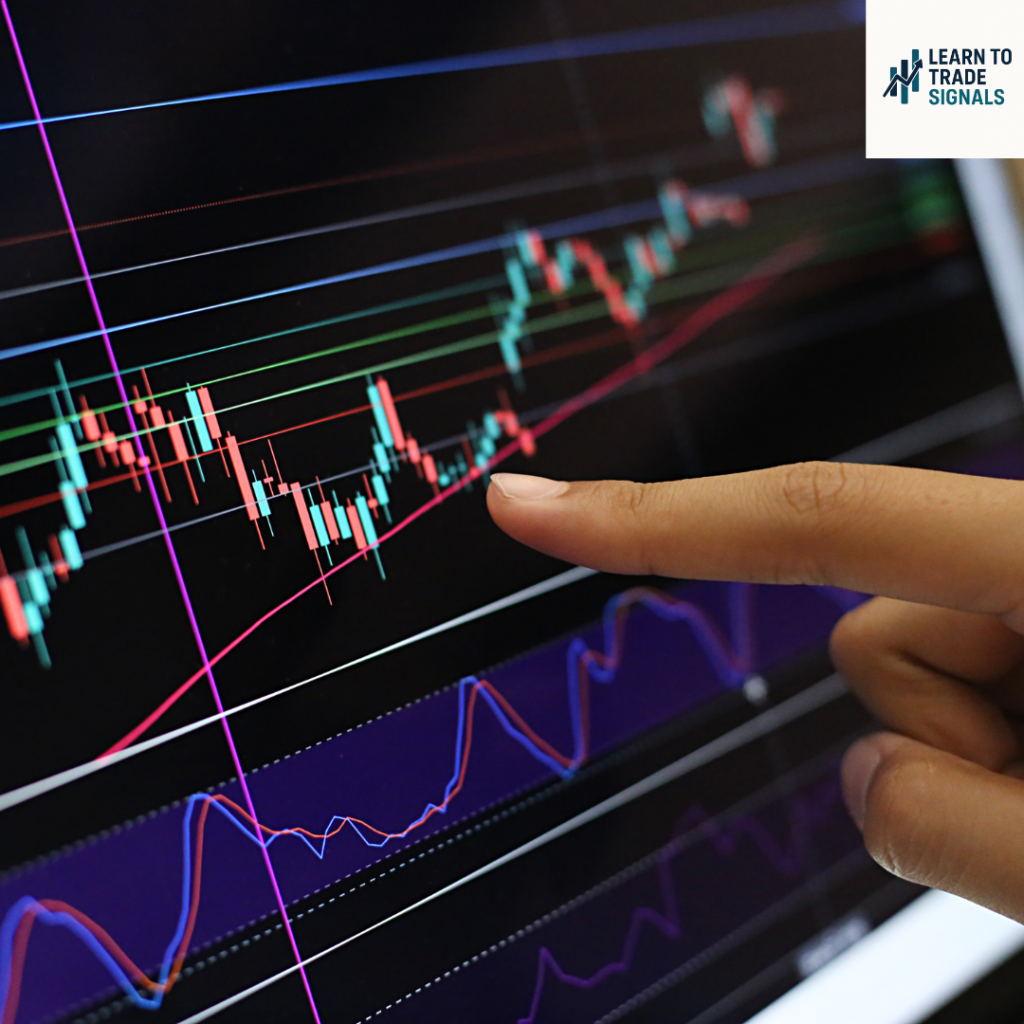
Why Signals Are Perfect for Small Accounts
Small accounts don’t have room for emotional mistakes. Signals help you:
1. Avoid Overthinking
You’re not guessing. You’re following a structured alert.
2. Trade High‑Probability Setups Only
Signals filter out the noise and highlight the best opportunities.
3. Reduce Risk
Signals often include stop‑loss and take‑profit zones, helping you protect your small balance.
4. Build Confidence Faster
Beginners learn quicker when they can see why a signal appears on the chart.

How to Use Signals to Grow a Small Account
Here’s the simple, beginner‑friendly framework:
1. Start With One Market
Don’t jump between forex, crypto, and indices. Pick one — like EUR/USD or Bitcoin — and master it.
Signals work best when you understand the rhythm of the market you’re trading.
2. Use a Reliable Signal Tool
Free signals are usually late, inconsistent, or outright dangerous.
A proper tool — like VIP Indicators — gives you:
- Real‑time buy/sell alerts
- Trend confirmation
- Momentum checks
- Clear entry and exit zones
This is essential when you’re trading with limited capital.
3. Risk Only 1–2% Per Trade
If you have £100, that means risking £1–£2 per trade.
Signals help you place stop‑losses correctly so you don’t blow your account in a single bad move.
4. Follow the Signal — Don’t Chase the Market
If the signal says BUY, you buy, If it says SELL, you sell, If it says no trade, you wait.
Small accounts grow through discipline, not excitement.
5. Track Every Trade
Use a simple journal:
- What signal triggered
- Entry price
- Exit price
- Profit/loss
- What you learned
This is how beginners turn into consistent traders.
Example: Growing a £100 Account With Signals
Let’s say you use VIP Indicators and take 3–5 high‑probability trades per week.
If you aim for:
- 1–2% risk per trade
- 3–5% average reward
- 50–60% win rate
Your account can grow steadily without taking crazy risks.
Signals don’t make you rich overnight — they help you grow safely.
The Biggest Mistake Small Account Traders Make
They ignore the signal.
They enter early, They exit late,They chase the market, They revenge trade.
Signals only work when you follow them consistently.
Final Thoughts: Signals Make Trading Simpler
If you’re trading with a small account, signals give you structure, confidence, and a clear plan. They help you avoid emotional decisions and focus on high‑probability setups — exactly what beginners need.
If you want to start growing your account with real‑time, beginner‑friendly alerts, check out:
👉 VIP Indicators — 👉 LearnToTradeSignals.com
Your small account doesn’t have to stay small. Trade smarter. Trade with signals.
Disclaimer: Between 74-89% of retail investor accounts lose money when trading CFDs or Spread Betting. You should consider whether you understand how Spread Betting or CFDs work and whether you can afford to take the high risk of losing your money. Trading involves substantial risk and is not suitable for every investor. Past performance is not indicative of future results. This content is for educational purposes only and is not investment advice.