

Spread Betting Margin and Leverage: A Beginner’s Guide. So, you’ve decided to step into the fast-paced world of financial spread betting. You’ve probably heard traders talking about “magnifying gains” or “trading with more than you have.” This is all made possible by two of the most powerful—and misunderstood—tools in a trader’s arsenal: Margin and Leverage.
At LearnToTradeSignals.com, we believe that understanding the mechanics of your trade is just as important as the signal itself. Let’s break down exactly what margin and leverage are, how they work together, and why they are a double-edged sword.

What is Leverage? (The “Power” Tool)
In traditional investing (like buying physical shares), if you want to buy £5,000 worth of Apple stock, you have to pay £5,000.
In spread betting, you use leverage. Leverage allows you to gain exposure to that same £5,000 position while only putting down a small fraction of the total value. Essentially, you are “borrowing” the rest of the capital from your broker to control a much larger position.
Think of leverage like a physical lever: with a small amount of effort (capital), you can move a very heavy object (a large trade).
What is Margin? (The “Deposit”)
If leverage is the power, margin is the collateral. Margin is the amount of money you are required to have in your account to open and maintain a leveraged position.
It is usually expressed as a percentage. For example:
- If your broker requires a 5% margin to trade the FTSE 100, and you want to open a position worth £10,000, you only need £500 in your account to “back” that trade.

How They Work Together: An Example
Let’s say you think the price of Gold is going to rise.
- The Position: You want to take a position worth £2,000.
- The Margin Requirement: Your broker requires a 10% margin.
- The Capital Needed: You only need £200 in your account to open the trade.
Now, here is where it gets interesting. If the price of Gold rises by 5%, the total value of your position is now £2,100.
- In a non-leveraged trade, you’d have made a 5% return on your £2,000.
- In this spread bet, you’ve made £100 profit on a £200 deposit—that’s a 50% return!
The Benefits: Why Traders Use Leverage
The primary reason traders use leverage is Capital Efficiency. It allows you to:
- Diversify: Instead of tying up all your money in one large trade, you can spread smaller margin payments across multiple different markets (FX, Indices, Commodities).
- Magnify Profits: As shown above, even small movements in the market can result in significant percentage gains on your initial deposit.
The Dangers: Handle with Care
While the rewards are enticing, the risks are equally amplified. This is the part most beginners ignore at their peril.
- Magnified Losses: Just as leverage boosts profits, it boosts losses. If the Gold trade above went against you by 5%, you wouldn’t just lose 5% of your deposit; you would lose £100, which is half of your entire investment.
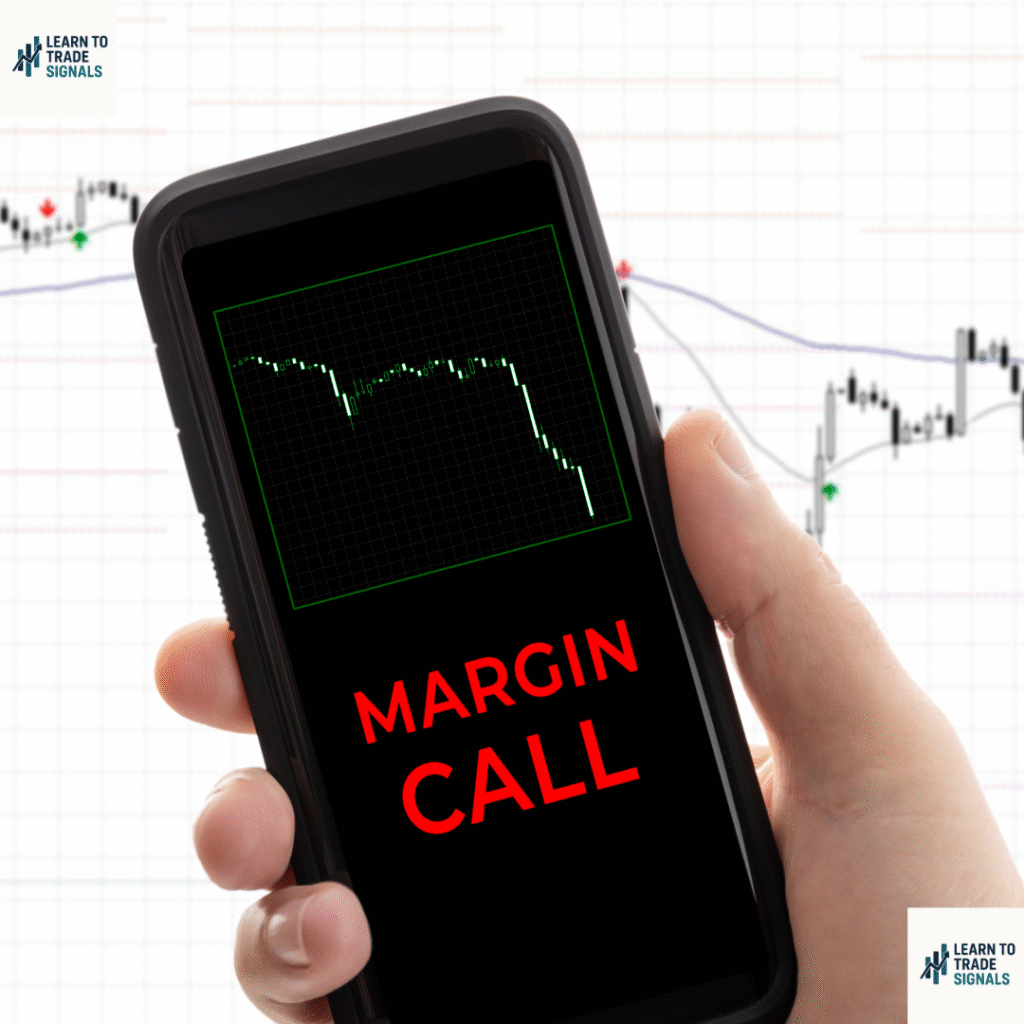
- The Margin Call: If a trade goes against you and your account balance falls below a certain level (the “Maintenance Margin”), your broker will issue a Margin Call. This means you must either deposit more funds immediately or the broker will automatically close your positions at a loss to prevent further debt.
- Rapid Market Volatility: In fast-moving markets, prices can “gap” (jump from one price to another without hitting the levels in between). This can result in losses that exceed your initial deposit if you don’t have “negative balance protection.”

Three Golden Rules for Beginners
Before you place your first leveraged trade, keep these three rules in mind:
- Start Small: Just because your broker offers 30:1 leverage doesn’t mean you have to use it all. Start with lower leverage until you understand the volatility of the market.
- Always Use Stop-Losses: A stop-loss is an order that automatically closes your trade if the market reaches a certain level of loss. It is your most important safety net.
- Understand the “Notional Value”: Always look at the total value of the trade, not just the margin you’re putting down. Ask yourself: “If this trade goes to zero, can I afford the total loss?”
Final Thoughts
Margin and leverage are what make financial spread betting such an exciting and accessible way to trade the global markets. They provide the “engine” for your trading strategy, but like any high-performance engine, they require skill and respect to handle safely.
Ready to start your journey? Stay tuned to LearnToTradeSignals.com for more guides, strategies, and real-time signals to help you navigate the markets with confidence!

Disclaimer:
This content is for informational purposes only and does not constitute financial advice. Spread betting carries a high risk of loss and may not be suitable for all investors.